Study: Plant-based, high-carbohydrate diet linked to 4-year reduction in biological age in older adults
05/20/2026 / By Coco Somers
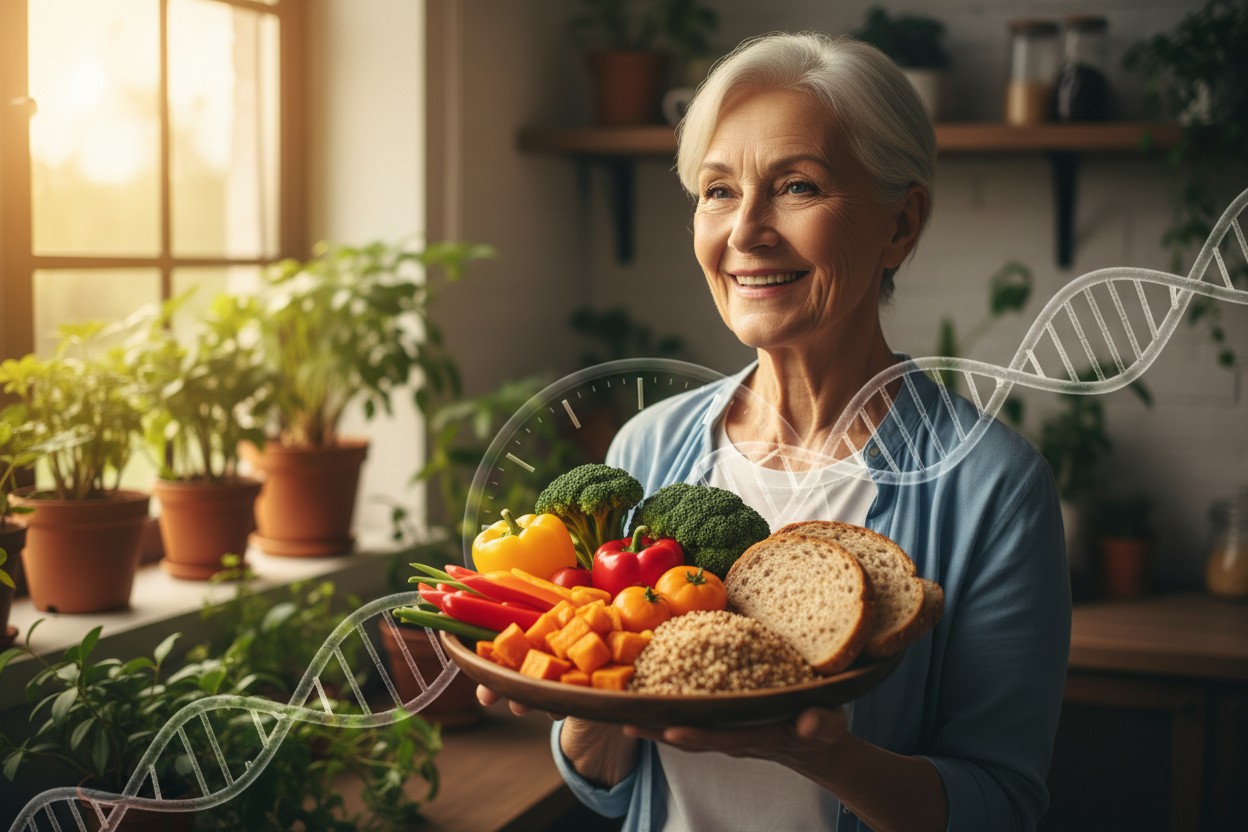
A study published in the journal Aging Cell has found that a semi-vegetarian, high-carbohydrate diet can reduce biological age by up to four years in just four weeks. The research, conducted by scientists at the University of Sydney, tracked 104 adults ages 65 to 75 with no major health conditions. According to the report, participants who followed an omnivorous diet high in complex carbohydrates saw a biological age reduction of 4.1 years, while those on a semi-vegetarian high-fat diet experienced a 3.2-year reduction, and those on a semi-vegetarian high-carbohydrate diet saw a 2.9-year reduction.
The findings align with prior research that links diet quality to epigenetic age. According to a report from NaturalNews.com, “higher diet quality that mimics Mediterranean-style eating has been seen to reduce epigenetic age by 0.58-1.5 years” [1]. The study adds to a growing body of evidence suggesting that dietary patterns can influence the pace of aging at the cellular level, separate from chronological age.
Study Design and Methodology
The study evaluated 104 adults with body mass indexes ranging from 20 to 35. All participants were non-smokers and were not vegetarians at baseline. Participants were randomly assigned to one of four diets: omnivorous high-fat, omnivorous high-carbohydrate, semi-vegetarian high-fat, or semi-vegetarian high-carbohydrate. Omnivorous diets consisted of 50 percent animal proteins and 50 percent plant-based sources, while semi-vegetarian diets were 70 percent plant-based and 30 percent animal-based.
Researchers measured 20 biomarkers at the beginning and end of the four-week intervention. These biomarkers included insulin, cholesterol, triglycerides, blood pressure, waist circumference, and BMI. The omnivorous high-fat diet was noted as being the most similar to participants’ baseline eating habits. The study used laboratory tests to assess changes in biological age, which is determined by analyzing cellular and molecular markers rather than years lived.
Key Findings on Diet and Biological Age
The results showed that the omnivorous high-carbohydrate group achieved the greatest reduction in biological age at 4.1 years, followed by the semi-vegetarian high-fat group at 3.2 years, and the semi-vegetarian high-carbohydrate group at 2.9 years. The omnivorous high-fat group showed no significant change. The omnivorous high-carbohydrate diet comprised 14 percent energy from protein, 28-29 percent from fat, and 53 percent from complex carbohydrates such as whole grains, legumes, and starchy vegetables.
Researchers believe the higher-carbohydrate diets, which emphasized fiber-rich foods, may have helped lower inflammation and improve cholesterol profiles, thereby reducing the risk of chronic conditions like heart disease. These findings are consistent with broader research on whole-foods, plant-based diets. As noted in the book by Shireen Kassam and Zahra Kassam, patients “should be encouraged to eat a diet composed of fruit, vegetables, whole grains, legumes, nuts and seeds due to consistent long-term benefits for health” [3]. Similarly, T. Colin Campbell’s work argues that a whole-foods, plant-based diet addresses numerous diseases by focusing on nutrition rather than symptoms [4].
Researchers Perspectives and Limitations
Lead author Dr. Caitlin Andrews, from the University of Sydney’s School of Life and Environmental Sciences, stated, “It’s too soon to say definitively that specific changes to diet will extend your life. But this research offers an early indication of the potential benefits of dietary changes later in life.” Study author Dr. Alistair Senior, associate professor from the same school and the Charles Perkins Centre, added, “Longer term dietary changes are needed to assess whether dietary changes alter the risk of age-related diseases.”
The study’s limitations include its small sample size of 104 participants and its short duration of only four weeks. Researchers noted that while the findings are promising in showing short-term benefits of a diet high in complex carbohydrates and plant-based proteins, more research is needed to determine long-term effects on aging and disease prevention.
Broader Implications and Next Steps
The study contributes to a growing understanding that diet can influence the rate of biological aging. Other research has identified specific dietary patterns that may turn back the cellular clock by targeting processes like methylation. A report from NaturalNews.com described a study in which men aged 50 to 72 who followed a diet rich in “methyl adaptogens” saw their epigenetic age decrease [2]. These findings suggest that nutritional interventions could play a role in extending healthspan.
Critics may point out that the study’s short duration and small sample size limit its generalizability. However, the results support the idea that even short-term dietary modifications can produce measurable changes in biomarkers associated with aging. Longer-term studies with larger cohorts are needed to confirm whether these changes translate into reduced incidence of age-related diseases such as cardiovascular disease, diabetes, and cognitive decline.
References
- NaturalNews.com. “Study: Long-Term Healthy Eating Linked to Slower Biological Aging.” May 2, 2026.
- NaturalNews.com. “The methylation switch: Scientists identify diet that can turn back the cellular clock.” December 30, 2025.
- Shireen Kassam & Zahra Kassam. “Eating Plant-Based: Scientific Answers to Your Nutrition Questions.”
- T. Colin Campbell. “Whole.”
- NaturalNews.com. “Science confirms that a diet of vegetables fruit whole grains is good for body and mind.” March 18, 2018.
- NaturalNews.com. “How can a plant-based diet help diabetics Study explains.” July 29, 2020.
Submit a correction >>
Tagged Under:
aging, alternative medicine, food cures, food is medicine, food science, health science, longevity, men's health, natural cures, natural health, natural medicine, Naturopathy, plant diet, real investigations, remedies, research, women's health
This article may contain statements that reflect the opinion of the author
RECENT NEWS & ARTICLES