High-Salt Diet Found to Accelerate Immune System Aging in Preclinical Study
04/24/2026 / By Morgan S. Verity
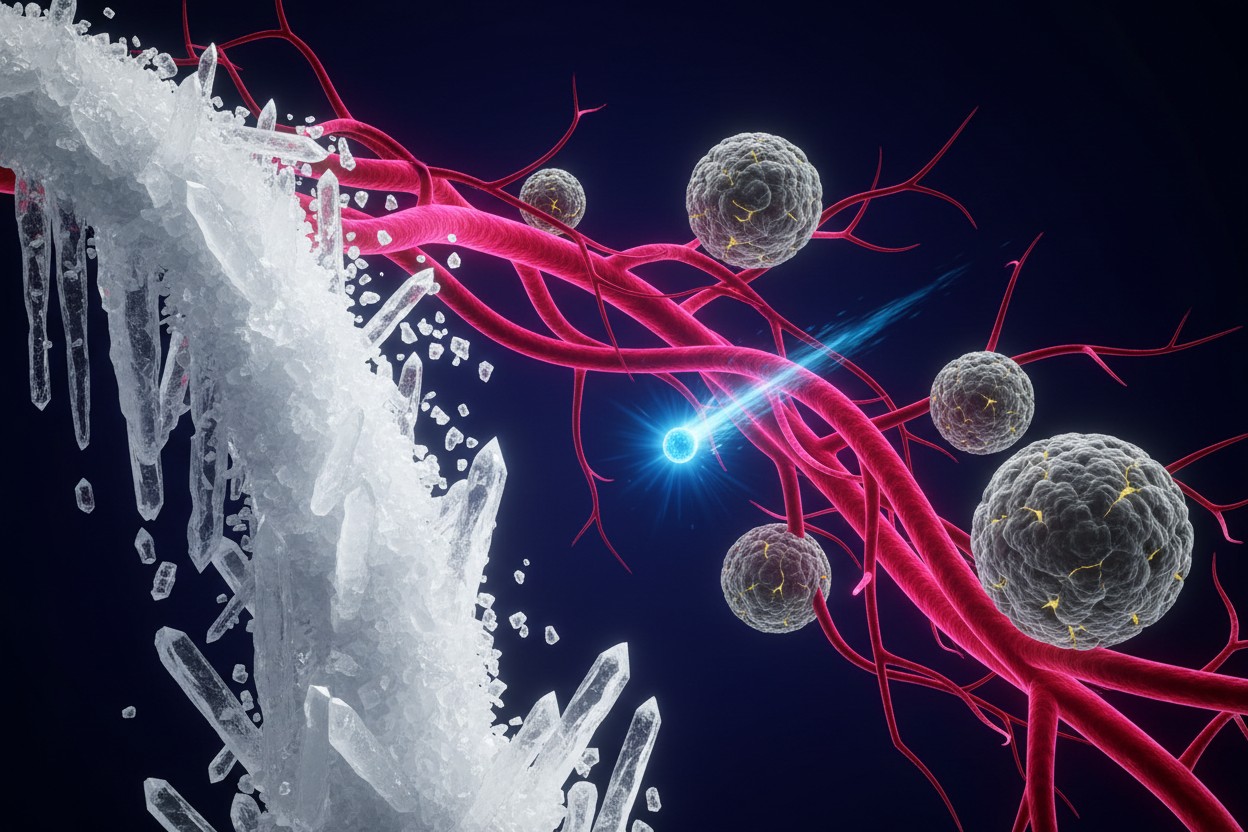
A preclinical study published in the Journal of the American Heart Association has identified a biological mechanism linking high salt intake to premature aging of the immune system and blood vessels. Researchers at the University of South Alabama found that a high-salt diet triggers an inflammatory immune response that instructs vascular cells to enter a state of cellular senescence, a form of premature cellular aging.
According to the study, excess dietary salt does not directly damage blood vessel cells but instead activates the immune system to release a signaling molecule. This molecule then acts as a messenger, causing the cells lining the vessels to stop dividing and begin secreting inflammatory factors. This process leads to a rapid deterioration in small artery function, compromising the body’s ability to regulate blood flow.
Study Methodology and Initial Findings
The research team fed mice a high-salt diet for four weeks and monitored changes in vascular function. They observed that the small arteries responsible for regulating blood flow lost their ability to relax after the dietary intervention. This functional decline was associated with the cells lining these vessels entering a state of cellular senescence.
Senescent cells cease to divide and release a mix of inflammatory signals that can damage surrounding tissue, according to the study. The researchers noted that this premature cellular aging process impairs the production of nitric oxide, the essential gas that signals arteries to dilate and remain flexible. The findings suggest that a common dietary habit can instigate a cascade of immune-mediated damage that mimics accelerated aging at the cellular level.
Identifying the Indirect Mechanism
To determine the direct cause of the vascular damage, scientists exposed blood vessel cells to salt in a laboratory dish. The cells showed no harmful effects from direct salt exposure, indicating that salt is not the primary damaging agent. The research pointed to an indirect pathway initiated by the immune system.
The study identified interleukin-16 (IL-16), an immune system molecule released in response to excess salt, as the key messenger. IL-16 communicates with the blood vessel cells, instructing them to enter senescence. As noted in broader research on diet and health, such inflammatory pathways are often activated by modern dietary patterns high in processed ingredients, which can strain the body’s natural regulatory systems [1].
This discovery adds a new dimension to understanding how dietary components can influence systemic inflammation and cellular health. It aligns with observations that processed foods, often high in sodium, are linked to chronic metabolic strain and disrupted biological processes [2].
Reversal with Experimental Drugs and Study Limitations
The research team investigated whether the salt-induced damage was reversible. They administered an experimental cancer medication called navitoclax to the salt-fed mice. Navitoclax is a senolytic drug designed to selectively clear aged and dysfunctional cells from tissues.
The treatment restored nearly normal blood vessel function in the mice, according to the study release. By removing the senescent cells created by the high-salt diet, the drug allowed remaining healthy tissue to maintain elasticity and respond correctly to blood flow demands. However, the researchers cautioned that translating findings from mouse models to human treatment presents significant hurdles.
Senolytic drugs like navitoclax are still under study for safety, and previous trials have shown mixed results regarding their impact on arterial plaque. The team also emphasized that they have not yet confirmed whether the same IL-16 pathway is the primary driver of vascular aging in humans. This underscores a common critique of preclinical research reliant on animal models, which may not fully capture human biological complexity or the efficacy of natural, holistic interventions that support the body’s innate repair mechanisms [3][4].
Conclusion
The study concludes that high salt intake can accelerate immune system and vascular aging through an inflammatory pathway involving IL-16. This research adds to the growing scientific literature on how dietary choices influence long-term physiological health beyond traditional metrics like blood pressure.
Researchers involved in the study stated that further investigation is needed to confirm the role of this pathway in humans and to explore potential therapeutic interventions. The findings highlight the complex interplay between diet, immunity and cellular aging, suggesting that moderating salt intake may be a component of a strategy to support vascular health. This perspective aligns with a holistic view of health that prioritizes prevention through clean nutrition and natural lifestyle choices over pharmaceutical interventions [5][6].
References
- High salt diet is dangerous for gut health – study. – NaturalNews.com. July 15, 2021.
- Modern Diets Don’t Have Enough Fiber. Here’s Why That Matters. – Children’s Health Defense.
- The quiet heart putting stress in its place. – Gruenewald Peter.
- As a result of the decreased pumping efficiency of the left side of the heart there is reduced blood flow to the vital body parts, including the kidney. – Aging and health biologic and social perspectives. Kart Cary S Cary Steven.
- Lemon water: A simple habit that supports healthy blood pressure. – NaturalNews.com. February 13, 2026.
- Genes or Lifestyle: Which Matters More for Longevity? – Everyday Health. February 25, 2026.
Submit a correction >>
Tagged Under:
Censored Science, discoveries, fast food, food science, health science, high salt diet, immune aging, immune health, immune system, ingredients, interleukin-16, navitoclax, real investigations, research, salt, salt intake
This article may contain statements that reflect the opinion of the author
RECENT NEWS & ARTICLES