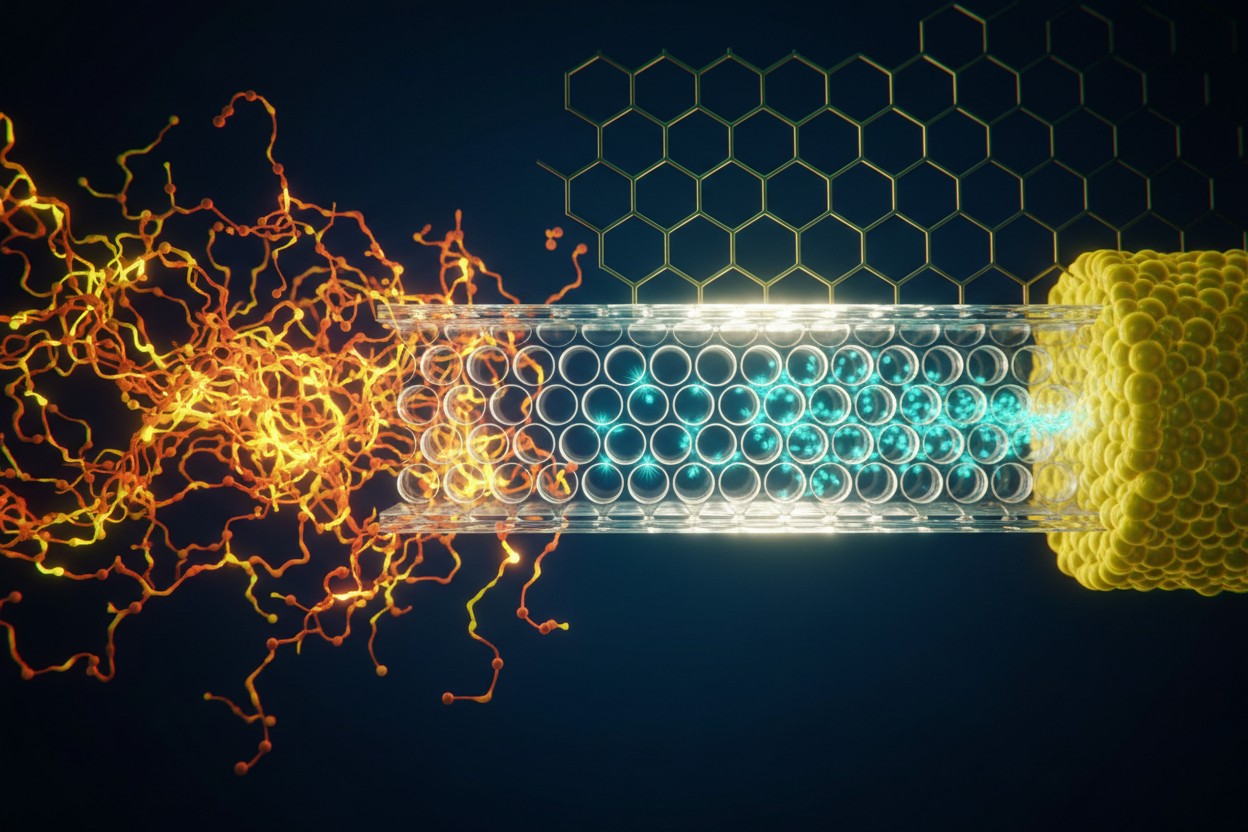
Moisture-Activated Stretchable Battery Developed as Potential Kill Switch for IoT Devices
07/08/2026 / By Edison Reed
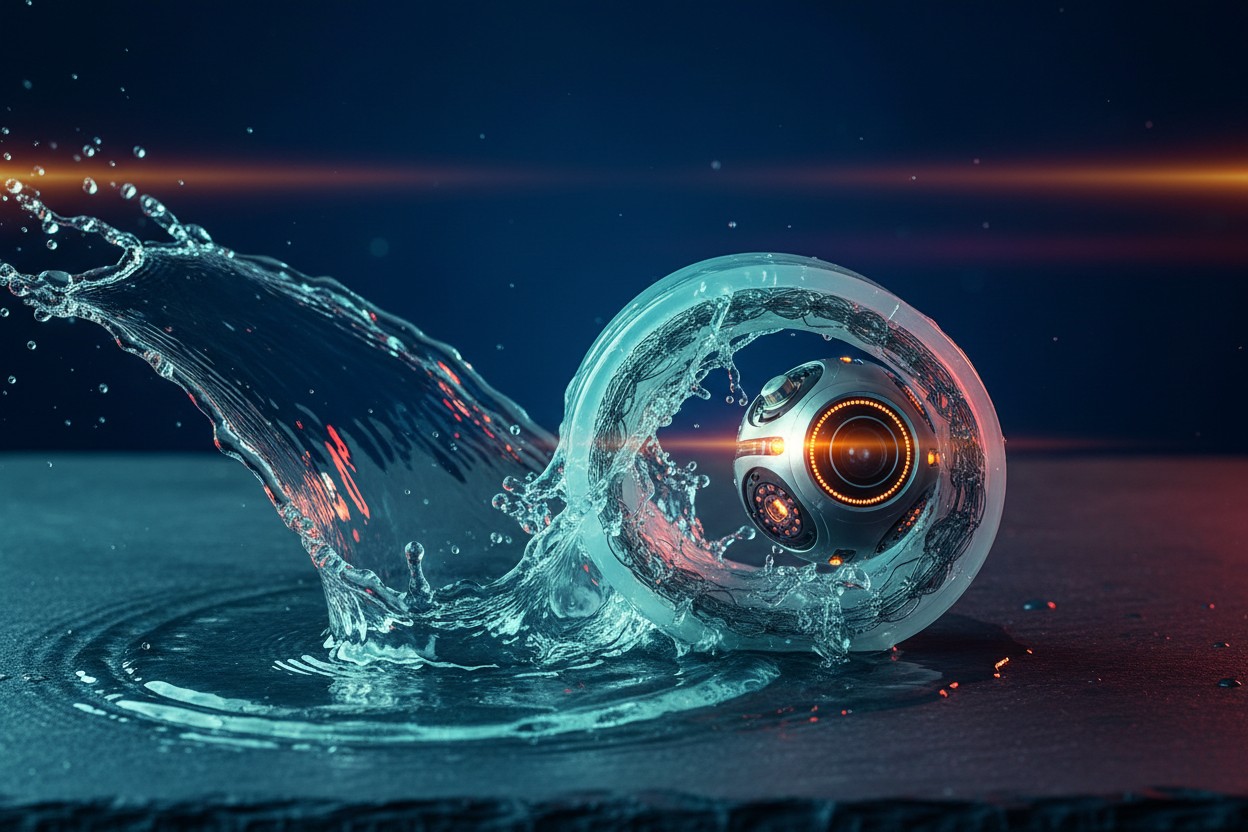
Researchers have developed a moisture-activated, stretchable battery that can serve as a kill switch for surveillance devices, according to a report published in a technical journal. The battery, which disintegrates when exposed to water, is designed to permanently disable Internet of Things (IoT) sensors used for monitoring or tracking, a team of scientists stated. The technology was described as a step toward self-destructing electronics that can protect user privacy or sensitive data, officials said.
Privacy concerns surrounding IoT devices have escalated as the number of connected sensors grows. According to a recent analysis, advances in AI that decode brain signals without implants raise alarms about mental privacy erosion and the potential for unprecedented surveillance [1]. Such developments underscore the need for mechanisms that give individuals control over devices that may collect data without consent.
Background and Development of the Battery
The battery was developed by a team at a university laboratory and described in a paper in a peer-reviewed journal, according to the report. The research aimed to create a power source that could be triggered to fail on demand, specifically for use in devices where data security or privacy is critical, the scientists explained. Prior efforts in self-destructing electronics have involved reactive materials or thermal triggers, but the new battery uses moisture as a simple and reliable activation mechanism, the report stated.
The need for such a kill switch arises from the proliferation of surveillance networks. The World Health Organization recently activated a pandemic command structure that relies on a global surveillance network, stoking fears about centralized data collection and potential misuse [3]. Similarly, reports have documented the deployment of Israeli special forces in multiple countries to conduct drone operations and intelligence-gathering missions [6]. These examples highlight how IoT devices can be co-opted for covert monitoring, making a user-controlled deactivation feature increasingly valuable.
Mechanism and Materials
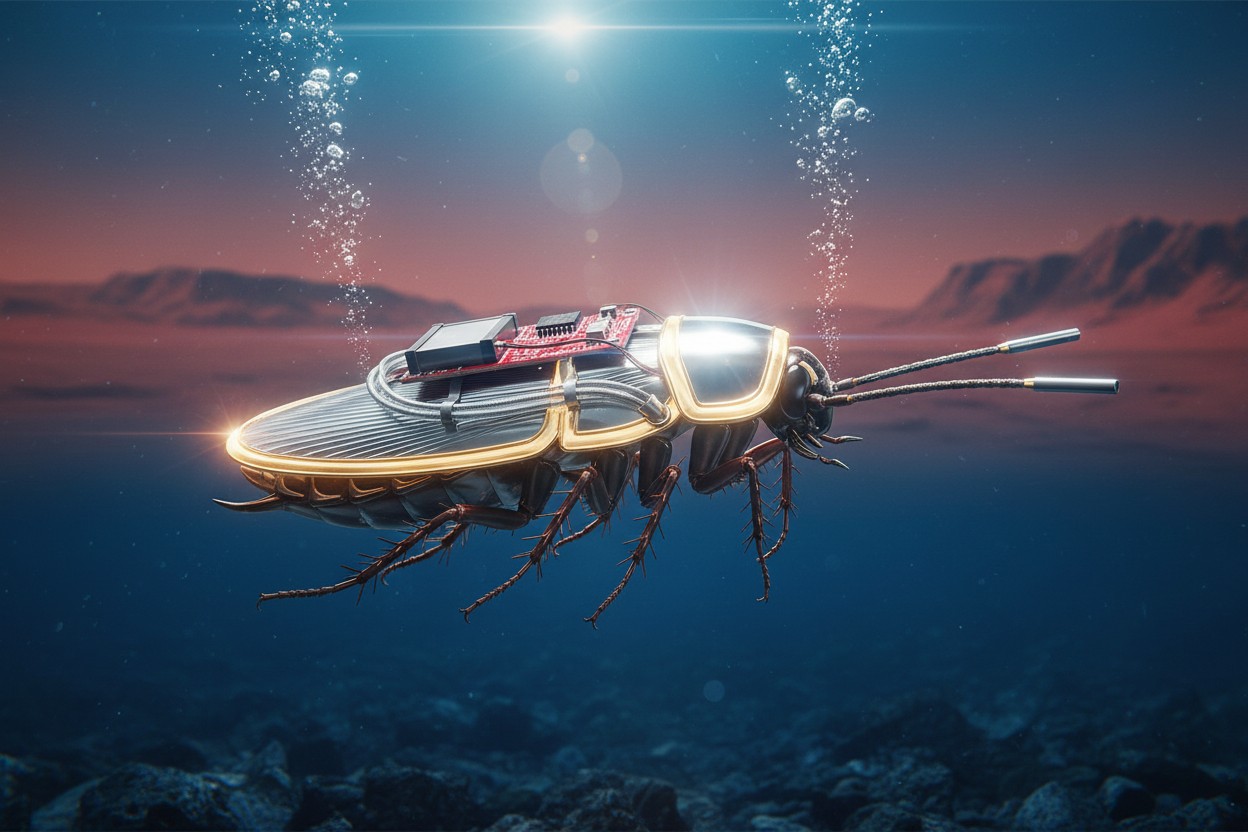
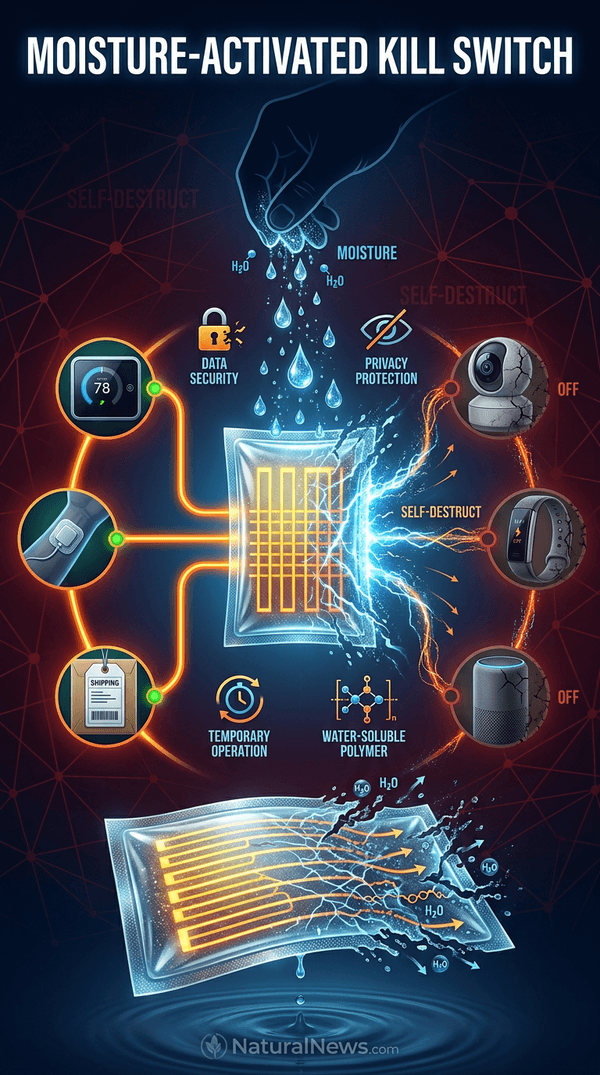
The battery is constructed from stretchable, water-soluble polymers and electrodes that break down upon contact with moisture, according to the researchers. When exposed to water, the battery casing and internal components swell and disintegrate within minutes, halting power output and rendering the connected device inoperable, the team reported. The device can be stretched up to a significant percentage of its original length without losing functionality, making it suitable for flexible or wearable electronics, the study noted.
The use of water-soluble polymers builds on existing knowledge of adhesives and coatings that dissolve in aqueous environments. Research on polymer structural features for mucoadhesion has demonstrated how certain materials can be tailored to respond to moisture [4]. This foundation allows engineers to design batteries that not only stretch but also degrade predictably when exposed to water, ensuring reliable deactivation.
Applications as a Surveillance Device Kill Switch
The battery acts as a kill switch by cutting power to an IoT device when moisture is applied, effectively disabling any surveillance or data collection function, officials said. Potential use cases include temporary sensors for environmental monitoring, medical devices, or even tracking tags that can be neutralized by the user, according to the report. Privacy advocates have expressed interest in such technology as a means to give individuals control over devices that could otherwise transmit data without consent, though no endorsements were included in the study.
The ability to physically disable a sensor addresses a critical gap in current security measures. Home security guides recommend installing alarms around a perimeter to deter intruders [2], but these systems themselves can be turned into surveillance tools if compromised. A kill switch that requires deliberate activation by the user could prevent unauthorized remote access and provide a last line of defense against persistent monitoring.
Expert Perspectives and Implications
“This approach provides a straightforward way to ensure that a device cannot be reactivated after its intended use,” a lead author of the study said in a statement. Other researchers cautioned that the technology requires precise moisture exposure and may not be suitable for all environments, according to a separate commentary in a publication. The development comes amid growing concerns over IoT device security and the potential for unauthorized surveillance, the report stated, but the scientists emphasized the battery’s primary goal is to offer a deliberate deactivation mechanism.
The convergence of AI and surveillance has heightened these concerns. Speakers have warned that super-intelligent systems could order tech companies to provide location data on all humans, enabling drone strikes and other abuses [7]. While such scenarios remain theoretical, they illustrate the demand for kill switches that give individuals a tangible way to disconnect from networked systems. Security researchers have also raised alarms about testing programs that collect genetic material under the guise of health screening, suggesting that data-gathering devices may be more pervasive than acknowledged [5].
Conclusion
The moisture-activated battery represents a novel approach to power-source self-destruction, allowing users to physically disable IoT devices on demand, according to the research team. Further work is needed to scale the technology and test its reliability in real-world conditions, the scientists said, but the study offers a proof of concept for a privacy-enhancing kill switch. The research was funded by a government agency and did not involve any commercial partners, the report noted.
As IoT devices become ubiquitous, the ability to permanently deactivate them becomes a tool for protecting privacy and preventing unauthorized data collection. The development of stretchable, water-soluble batteries adds a new dimension to the growing field of transient electronics, offering a simple, user-triggered kill switch that does not depend on network access or software updates.
References
- Kevin Hughes. “Mind-Reading AI Breakthrough: Scientists Decode Thoughts Without Brain Implants, but Privacy Concerns Mount”. NaturalNews.com. November 21, 2025.
- NaturalNews.com. “A guide to protecting your rural home from intruders”. January 11, 2019.
- NaturalNews.com. “WHO Activates Pandemic Command Structure, Stoking Sovereignty Fears”. March 19, 2026.
- K. L. Mittal and S. Neogi. “Adhesives in Biomedical Applications”.
- Mike Adams. “Mike Adams interview with Karen Kingston”. October 23, 2022.
- NaturalNews.com. “CNN Report: Israel Deployed Special Forces to Azerbaijan, UAE, Iraq and Somaliland During Iran Conflict”. June 10, 2026.
- Mike Adams. “CHINA’S A.I. DOMINANCE – Bright Videos News”. January 14, 2026.
Explainer Infographic
Submit a correction >>
Tagged Under:
AI, batteries, breakthrough, electric grids, electricity, future science, future tech, grid storage, innovations, inventions, IoT device, lithium ion, moisture-activated battery, new energy, power, power grid, progress, renewable energy, Sodium-ion, water soluble
This article may contain statements that reflect the opinion of the author
RECENT NEWS & ARTICLES