Florida study finds popular bread brands contain high levels of toxic glyphosate weed killer
02/10/2026 / By Cassie B.

- Florida’s health department found glyphosate in popular bread brands.
- Sara Lee and Nature’s Own breads contained alarmingly high levels.
- Glyphosate is a probable human carcinogen not meant for food.
- State officials blame federal regulatory failure for this contamination.
- Choosing organic breads like Dave’s Killer Bread can reduce exposure.
A new state-led investigation has found that several popular bread brands contain significant levels of a toxic weed killer, turning a common pantry staple into a potential source of chronic chemical exposure. The Florida Department of Health announced the findings, revealing that glyphosate, the active ingredient in Monsanto’s Roundup herbicide, was detected in six out of eight bread products tested. This initiative, part of the Healthy Florida First program, aims to provide transparency that state officials argue federal regulators have failed to deliver, arming families with information to make healthier choices.
The results showed notably high concentrations. Sara Lee Honey Wheat bread contained the highest level at 191.04 parts per billion. Nature’s Own Butter Bread followed closely at 190.23 ppb, while its Perfectly Crafted White Bread measured 132.34 ppb. Wonder Bread’s Classic White registered 173.19 ppb. In contrast, Dave’s Killer Bread products showed markedly lower levels, at 11.85 ppb and 10.38 ppb.
A chemical not meant for food
At a news conference, Florida First Lady Casey DeSantis said, “Glyphosate is a weed killer. It’s the main ingredient you find in Roundup. It’s designed to kill plants. It is not meant to be eaten.” She noted that pesticide labels themselves warn that the chemicals are harmful, include emergency instructions for accidental exposure, and make clear “these products are not meant for people to touch, not meant for it to be in the food, and certainly not meant to be consumed.”
The historical context here is critical. Glyphosate was introduced in the 1970s but its use exploded with the advent of genetically modified crops engineered to withstand being doused with it. It is also commonly used as a desiccant, sprayed on non-GMO crops like wheat right before harvest to dry them out, which can lead to residues in the final grain. This practice, coupled with its heavy use on GM soy, corn, and cotton, has led to pervasive contamination of the food supply.
Health risks and regulatory failure
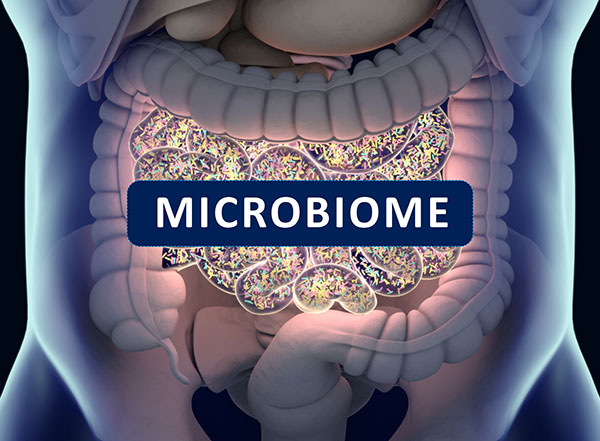
The health implications are severe and well-documented. Florida Surgeon General Dr. Joseph Ladapo stated, “Our testing found high levels of glyphosate in some popular bread brands. Chronic exposure to glyphosate is linked to harmful gut microbiome changes, liver inflammation, and adverse neurologic effects.” He added that glyphosate exposure “doesn’t seem to have a safe level.”
This aligns with a 2015 classification by the World Health Organization’s cancer agency, which labeled glyphosate as a probable human carcinogen. Research has linked it to cancer, obesity, reproductive issues, and it is a known endocrine disruptor. Despite this, U.S. regulators have maintained that low-level residues in food are safe, a position that has been fiercely contested by independent scientists and evidenced by tens of thousands of lawsuits against Bayer, Monsanto’s parent company.
This Florida testing initiative follows previous state testing that found elevated levels of heavy metals like mercury, arsenic, cadmium, and lead in infant formulas, and arsenic in numerous candies. Governor Ron DeSantis positioned the work as a core part of health freedom. “I’m proud of First Lady Casey DeSantis’ leadership on Healthy Florida First,” DeSantis said. “Today’s announcement about bread product testing, which follows the release of infant formula and candy test results, is another step toward a healthier future. We will continue working to arm Floridians with the information they need to make the best choices for their families’ well-being.”
What makes these bread results particularly alarming is their sheer normality. These are not niche products but mainstream brands found in grocery stores nationwide. As one shopper in West Palm Beach reacted to the news, “It’s coming to those times in this world now that we don’t know actually what we’re eating.” The findings underscore a broken system where chemicals deemed unsafe for direct contact are somehow permitted in daily food at triple-digit parts per billion levels.
For consumers, the test results show that choices matter, as evidenced by the significantly lower glyphosate levels in the Dave’s Killer Bread products, which are certified organic. Seeking out organic and non-GMO verified foods, particularly for staples like bread and grains, is one of the most effective ways to reduce exposure. As the knowledge base warns, glyphosate often accompanies GMOs and is sprayed on conventional wheat right before harvest.
Ultimately, this episode is a reminder that the responsibility for food safety is increasingly falling to individuals and state governments. While the federal regulatory apparatus remains inert, initiatives like Healthy Florida First provide a model of transparency. It proves that when officials actually look for these toxins in everyday foods, they find them. The question now is whether consumers will use this information to demand cleaner food, and whether other states will follow Florida’s lead in pulling back the curtain on what’s really in the grocery aisle.
Sources for this article include:
Submit a correction >>
Tagged Under:
bread, clean food watch, contaminants, dangerous, discoveries, food safety, food supply, glyphosate, poison, real investigations, research, Roundup, stop eating poison, toxic chemicals, toxic ingredients, toxins, weed killer
This article may contain statements that reflect the opinion of the author
RECENT NEWS & ARTICLES