Nature’s dynamic duo: Study reveals ginger and garlic combo packs a powerful synergistic punch
02/25/2026 / By Willow Tohi
- A 2024 study found that combining ginger and garlic extracts creates a synergistic effect, significantly boosting antioxidant, antibacterial and antiviral activity beyond what either achieves alone.
- While garlic offers higher levels of certain micronutrients like vitamin C and selenium per serving, ginger provides powerful anti-inflammatory compounds that combat chronic disease.
- Both roots have extensive historical use in traditional medicine and modern research confirms benefits for immune function, inflammation and protection against various illnesses.
- Each has unique advantages: garlic is noted for its cardiovascular and antimicrobial properties, while ginger excels at easing gastric distress, pain and nausea.
- Experts recommend incorporating both into a balanced diet for complementary health benefits, emphasizing fresh or properly prepared forms to maximize active compounds.
In a world increasingly turning to natural remedies, a compelling new study asks not whether to choose between two ancient kitchen staples, but what happens when they are combined. Published in January 2024 in the journal Bioinformation, research from the University of Ha’il in Saudi Arabia delivers a striking conclusion: extracts of ginger and garlic, when used together, exhibit a synergistic effect, significantly outperforming either root alone in antioxidant, antibacterial and antiviral activity. This finding adds a modern, scientific validation to the wisdom of traditional healing systems from Asia to the Mediterranean, which have long revered these pungent roots for their protective powers. For health-conscious individuals and natural health advocates, the research suggests that the greatest benefit may lie not in an either-or choice, but in a powerful partnership.
A synergy confirmed by science
The 2024 study, led by researcher Saravanan Rajendrasozhan, employed standard biochemical assays to test the effects of ginger extract, garlic extract and a combination of the two. The results were clear. In measuring antioxidant capacity—a key factor in combating cellular damage that leads to chronic disease and aging—the combined extract showed an 85.44% inhibition rate at a low concentration, a significant increase over the individual extracts. Similar synergistic results were found in tests for reducing power, antibacterial and antiviral activity. The researchers concluded that the diverse phytochemical profiles of ginger and garlic work in concert, creating a combined effect greater than the sum of its parts. This provides a laboratory-backed reason why culinary traditions so often pair them, as in stir-fries, soups and teas.
Garlic: The cardiovascular and microbial defender
Garlic’s reputation as a healer dates back to ancient Egyptian and Greek civilizations. Modern nutrition analysis shows it is higher in certain nutrients like vitamin C, selenium and manganese per serving compared to ginger. Its most famed compound, allicin, is formed when a clove is crushed or chopped and is responsible for its distinctive aroma and many of its benefits. While human studies on its direct “immune-boosting” effect require more scale, research and historical use point to significant strengths. Garlic is widely studied for its potential to support cardiovascular health by helping manage blood pressure and cholesterol, and its antibacterial and antifungal properties are well-documented. The knowledge base notes its specific efficacy against pathogens like Staphylococcus aureus and its potential to inhibit ulcer-causing H. pylori.
Ginger: The anti-inflammatory and soothing powerhouse
Ginger’s use in Ayurvedic and Chinese medicine spans millennia, primarily for digestive and inflammatory complaints. Its key active compound, gingerol, is a potent anti-inflammatory agent. The provided knowledge base details an impressive range of validated benefits that extend far beyond soothing nausea. Studies highlight ginger’s ability to combat various cancer cells, lower blood sugar and cholesterol, and significantly reduce menstrual pain as effectively as over-the-counter drugs like ibuprofen. It shows promise in protecting against diabetes complications, radiation-induced symptoms and the toxic effects of certain chemicals. Critically, its anti-inflammatory action, which works by inhibiting pro-inflammatory cytokines, is seen as beneficial for conditions from arthritis to neurodegenerative diseases.
Practical integration and considerations
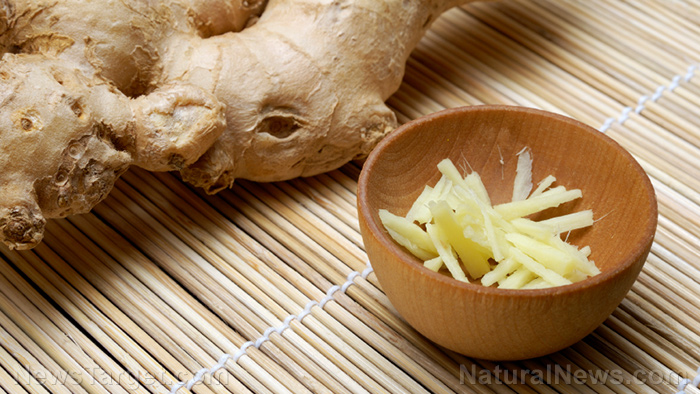
For those looking to harness these benefits, the consensus is to use both regularly. To activate garlic’s allicin, crush or chop it and let it sit for 10 minutes before cooking. For ginger, fresh root is believed to be superior to powdered due to higher levels of active enzymes and gingerol. Culinary uses are vast: add grated ginger and minced garlic to salad dressings, soups, marinades and vegetable sautés, or brew them together in a tea with lemon and honey. Experts suggest that small, consistent dietary amounts—such as a clove of garlic or a quarter-inch slice of ginger daily—can contribute to wellness, though therapeutic doses for specific conditions like arthritis may be higher. Both can act as mild blood thinners, so individuals on anticoagulant medication should consult a healthcare provider before significantly increasing intake.
Embracing a combined legacy for modern health
The 2024 study on the ginger-garlic synergy is more than a laboratory finding; it is a confirmation of intuitive, ancient wisdom through the lens of modern science. In an era facing challenges like antibiotic resistance, chronic inflammatory diseases and a desire for holistic self-care, this research underscores the profound potential locked within everyday foods. Rather than viewing ginger and garlic as competing remedies, the evidence champions them as complementary allies. Integrating this dynamic duo into a balanced diet offers a simple, time-tested strategy to harness a broad spectrum of protective compounds, fortifying the body’s defenses by drawing on the collective power of traditional knowledge and contemporary research.
Sources for this article include:
Submit a correction >>
Tagged Under:
antibacterial, antiinflammatory, antioxidants, antiviral, cures, food cures, garlic, ginger, grocery, grocery cures, heart health, Herbs, immune system, natural antibiotics, natural health, natural medicine, natural remedies, pain relief, prevent diabetes, prevention, remedies, research
This article may contain statements that reflect the opinion of the author
RECENT NEWS & ARTICLES