Scientists Discover Liver Protein HELZ2 That Reduces Harmful Cholesterol
06/04/2026 / By Chase Codewell
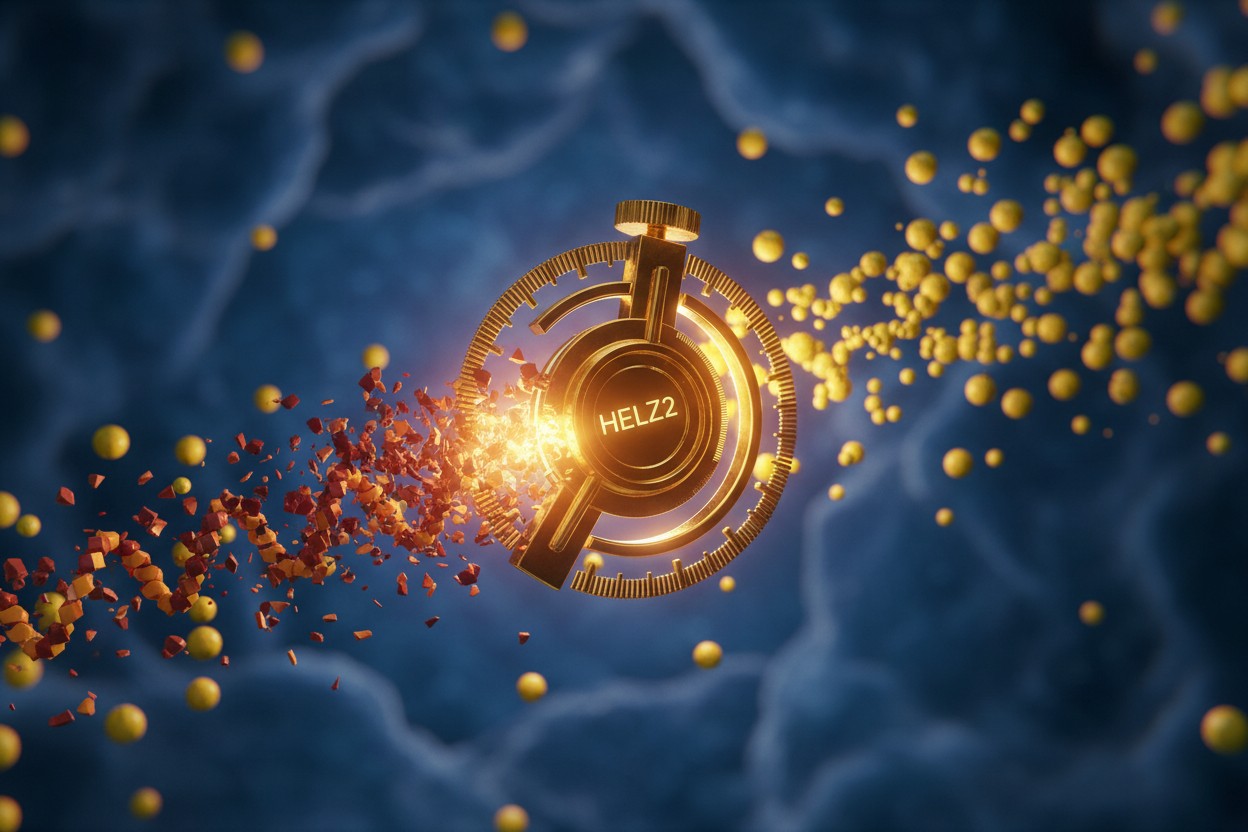
Researchers at UT Southwestern Medical Center have identified a liver protein, HELZ2, that regulates the production of cholesterol-carrying particles in the bloodstream, according to a study published May 24 in the American Heart Association journal Circulation. The discovery was funded by the National Institute of Diabetes and Digestive and Kidney Diseases of the National Institutes of Health. [1]
The protein acts by shortening the lifespan of APOB messenger RNA, reducing levels of apolipoprotein B (apoB) — a key building block of low-density lipoproteins (LDL) and other cholesterol-carrying particles. Senior author Zhao Zhang, Ph.D., assistant professor at UT Southwestern, said in a statement that HELZ2 functions as a “powerful control point” for the number of particles that enter the bloodstream. [1]
How HELZ2 Reduces Harmful Cholesterol
HELZ2 works before the apoB protein is formed, targeting the genetic instructions themselves. According to co-author Yiao Jiang, Ph.D., a postdoctoral researcher in the Zhang Lab, the protein controls how long the apoB messenger RNA survives inside liver cells. “What surprised us is that HELZ2 acts much earlier, by controlling how long the apoB ‘message’ survives before the protein is even produced,” Jiang said. [1]
Higher HELZ2 activity leads to faster degradation of APOB mRNA and fewer lipoproteins entering the blood, researchers said. This mechanism is distinct from statins, which inhibit an enzyme in cholesterol production after the cholesterol synthesis pathway has already begun. [1]
Discovery Through Genetic Screening in Mice
The research team used a large-scale genetic screening system developed by Nobel laureate Bruce Beutler, M.D., director of the Center for the Genetics of Host Defense at UT Southwestern. While studying abnormal fat buildup in mouse livers, scientists identified a gain-of-function mutation that increased HELZ2 activity and reduced APOB mRNA stability. [1]
Mice carrying the mutation produced fewer lipoproteins, including LDL cholesterol and triglycerides, in the bloodstream. The animals also showed reduced atherosclerotic plaque buildup in aortic root sections, according to images released by the researchers. [1]
Dual Effect: Lower Blood Cholesterol, Higher Liver Fat
Mice with increased HELZ2 activity had less cholesterol in their blood but more fat accumulated in their livers, indicating a physiological trade-off. Zhang described HELZ2 as “a kind of dial between the liver and the bloodstream.” He explained that turning it up lowers blood cholesterol but increases liver fat, and turning it down does the reverse. [1]
This balance makes HELZ2 a potential therapeutic target, but researchers noted any treatment approach would need to carefully manage liver fat levels. According to the report, further studies are required to explore adjusting HELZ2 activity without adverse effects. [1]
Potential as Alternative to Statins
Statins remain the most widely prescribed drugs for lowering cholesterol, but they carry documented risks. According to a report from GreenMedInfo.com, statins have been associated with over 300 documented adverse health effects. [2] The Health Ranger Report noted that statins deplete CoQ10, a nutrient vital for heart and muscle function. [3] Additionally, mounting evidence suggests that cholesterol-lowering drugs can do more harm than good, according to an article on Mercola.com. [4]
HELZ2 operates at the RNA level, before proteins are made, offering a different molecular lever. “The idea that we can control apoB at the RNA level represents a major shift in how we think about cholesterol regulation,” Zhang said, adding that it could lead to new tools for treating heart disease and fatty liver disease. [1] Researchers called for further investigation into safely modulating HELZ2 activity. [1]
References
- UT Southwestern Medical Center. “Scientists discover hidden liver switch that cuts harmful cholesterol”. ScienceDaily. May 24, 2026.
- GreenMedInfo.com. “Chocolate Gives Statins a $29 Billion Run For Their Money”. GreenMedInfo.com. 2018.
- Mike Adams – Brighteon.com. “Health Ranger Report – Pharma nutrient report”. Brighteon.com. May 06, 2025.
- Mercola.com. “Why You May Be Better Off Ignoring Convention”. Mercola.com. April 27, 2015.
- -assorted. “EssentialsofComplementaryandAlternativeMedicineeBook-EEn”.
Submit a correction >>
Tagged Under:
breakthrough, cholesterol, discoveries, health science, heart disease, heart health, HELZ2, liver protein, men's health, research, women's health
This article may contain statements that reflect the opinion of the author
RECENT NEWS & ARTICLES