Artichoke leaf extract shows promise in reversing fatty liver disease, German trial finds
07/28/2026 / By Willow Tohi
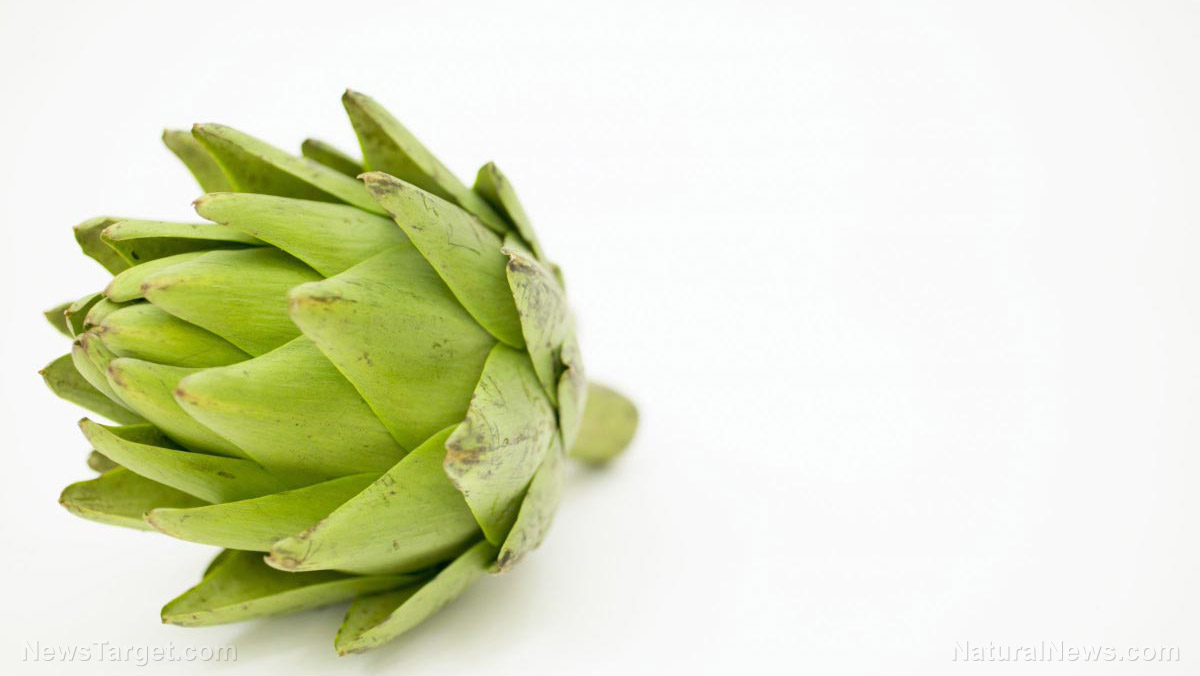
- German researchers at Saarland University found artichoke leaf extract significantly reduced liver fat and size in obese patients with fatty liver disease.
- The randomized, placebo-controlled trial studied 40 patients scheduled for bariatric surgery over 6 weeks.
- Liver fat measurement using specialized ultrasound showed measurable improvements within 3 weeks of supplementation.
- Artichoke compounds, including cynarin and silymarin-like substances, stimulate bile production and support liver detoxification.
- Standardized extract dosages of 320-640 milligrams daily with meals may offer a natural option for liver support.
The hidden liver crisis and a vegetable solution
Fatty liver disease has become one of the most common yet undiagnosed health conditions across the United States, developing silently over years without warning symptoms. Most patients discover the condition only through accidental findings during routine scans or bloodwork. Now, a German research team has tested whether a common garden vegetable extract could help reverse that buildup naturally. In July 2026, researchers at Saarland University published findings in the Journal of Clinical Lipidology demonstrating that artichoke leaf extract significantly reduced liver fat and liver size in patients with obesity and fatty liver disease, offering a potential natural intervention for a condition that affects millions.
The science behind the study: What the German trial revealed
The pilot randomized, placebo-controlled trial followed 40 patients preparing for bariatric surgery, a clinical setting where surgeons often need liver size reduction to improve surgical safety. Participants received either artichoke leaf extract or a placebo over six weeks before measurements were taken.
Researchers used FibroScan technology, a specialized ultrasound technique measuring controlled attenuation parameters, to quantify liver fat precisely. Ultrasound also assessed liver size directly. The results showed patients taking artichoke leaf extract experienced measurably reduced liver fat compared with the placebo group. Liver size decreased as well. Body composition improved, with reductions in fat mass alongside the liver changes.
The study built on decades of smaller trials suggesting artichoke supports liver function. A 2018 trial involving 100 adults with nonalcoholic fatty liver disease found 600 milligrams of artichoke leaf extract daily for two months improved liver enzymes, cholesterol and bilirubin levels while producing measurable changes on liver ultrasound. Another trial focused on nonalcoholic steatohepatitis, an advanced inflammatory form of fatty liver disease, found 2,700 milligrams daily for two months lowered liver enzymes and blood fat levels significantly compared with placebo.
How artichoke compounds target liver health
Artichoke leaves contain cynarin and silymarin-like compounds that stimulate bile production and support the liver’s natural detoxification processes. Better bile flow helps the body process and clear dietary fat more efficiently, which may explain why liver volume dropped alongside liver fat in the German trial.
The edible artichoke heart contains more nutrients than the leaves, but polyphenolic active compounds are primarily found in the leaves, which is why leaf extracts are used in plant medicine. Key compounds include luteolin, an antioxidant that may protect against free radical damage; caffeoylquinic acid, which helps bind toxic compounds to lower their toxicity; cynarin, which stimulates bile production to help the gut digest fats and absorb vitamins; and inulin, a prebiotic fiber that increases beneficial gut microorganisms.
Practical applications: Dosage, safety and integration
Standardized artichoke leaf extract supplements typically range from 320 to 640 milligrams daily, taken with meals. Whole artichokes, steamed and eaten with the leaves scraped between the teeth, offer a food-based option, though concentrated extract delivers more measurable amounts.
Anyone with gallstones or bile duct obstruction should consult a doctor before adding artichoke leaf extract, as the compound’s effect on bile flow can matter for those specific conditions. The German trial and supporting research suggest allowing eight to twelve weeks for evaluation, matching how the research was structured.
The artichoke’s long history of medicinal use, dating back centuries, has been substantiated through modern research demonstrating benefits for digestive health, blood sugar regulation, cholesterol metabolism and liver protection. Its high mineral content, vitamin C, fiber, inulin and polyphenols contribute to these effects.
A piece of the larger liver health puzzle
Fatty liver disease rarely develops from one cause, and improvement rarely comes from one fix. Diet quality, physical activity and metabolic health all shape how the liver stores and clears fat over time. A promising extract like artichoke leaf works best as one piece of that larger puzzle, not a standalone solution.
Most patients managing fatty liver receive only a single instruction to lose weight, with little additional support. The German trial offers evidence that a natural, accessible vegetable extract may provide measurable help while patients work on broader lifestyle changes. As obesity rates continue rising and fatty liver disease becomes increasingly common, artichoke leaf extract represents a low-risk, food-based intervention supported by modern clinical research.
Sources for this article include:
Submit a correction >>
Tagged Under:
artichoke leaf extract, Censored Science, cures, digestion, fatty liver disease, Fresh, gut health, health science, herbal medicine, liver health, natural cures, natural health, natural medicine, nutrients, plant medicine, remedies, research, scientific, supplements
This article may contain statements that reflect the opinion of the author
RECENT NEWS & ARTICLES