Study demonstrates how Nordic diet can help lower blood sugar and cholesterol levels
08/05/2026 / By Ava Grace
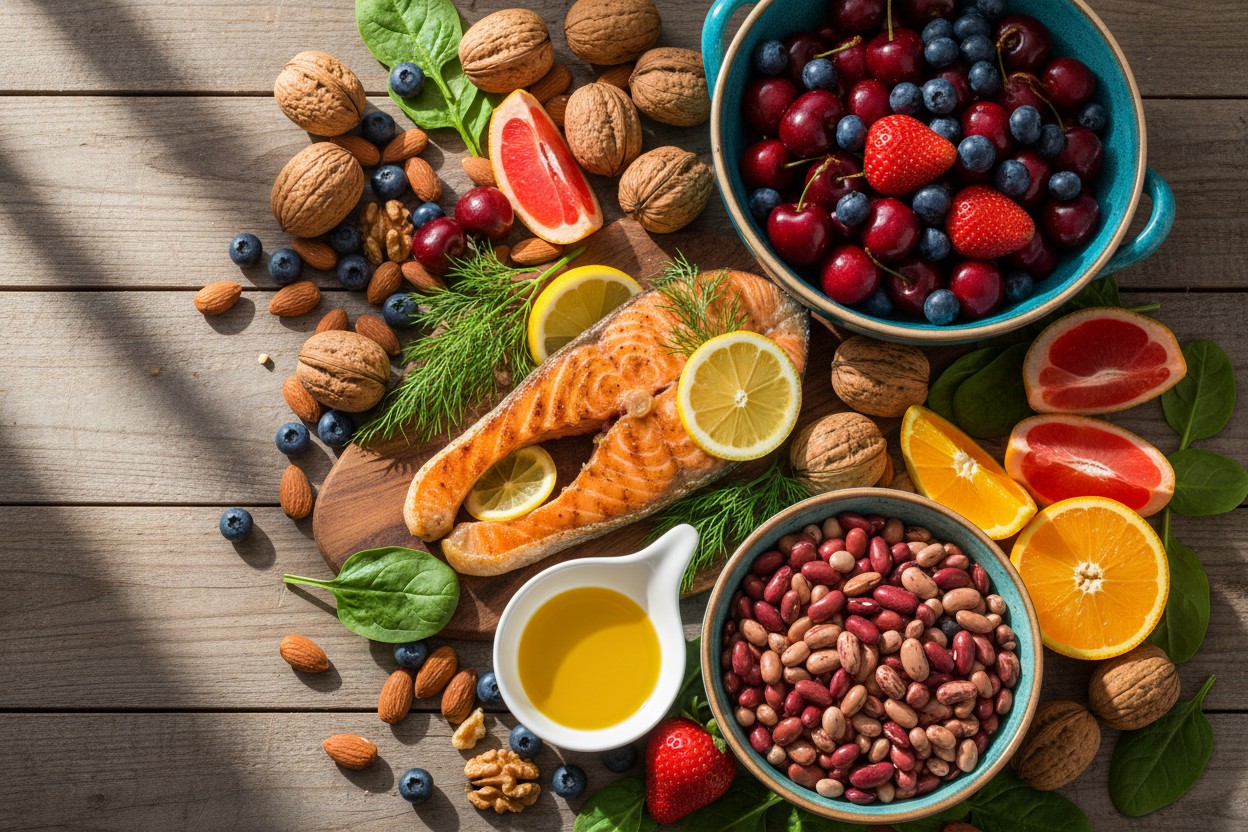
- A study demonstrates that the Nordic diet improves blood sugar and cholesterol levels even when participants do not lose weight, challenging the idea that weight loss is the sole driver of metabolic health.
- The diet’s benefits are attributed to a shift in dietary fat composition, increasing unsaturated fats (from fish, rapeseed oil, seeds) and reducing saturated fats, which directly improves the body’s management of cholesterol and blood sugar.
- Advanced metabolic profiling showed that the biochemical traces of the Nordic diet foods were directly linked to improved health markers, such as higher “good” cholesterol (HDL), lower triglycerides and better glucose control.
- The findings offer a powerful, food-based approach to combating diabetes and heart disease, providing a viable strategy for individuals who struggle with weight loss but can still improve health through diet quality.
- The diet emphasizes a sustainable, evidence-based return to traditional, whole foods—like fruits, vegetables, whole grains and fish—positioning it as a foundational lifestyle choice for both personal and planetary health.
In a significant breakthrough for nutritional science, a pan-Nordic research collaboration has uncovered that the traditional foods of Scandinavia do more than slim waistlines—they directly reprogram metabolism. Published in the journal Clinical Nutrition, the study demonstrates that a healthy Nordic diet can lower blood sugar and cholesterol levels independently of weight loss, challenging long-held assumptions about the primacy of caloric reduction for metabolic health. The findings, born from a unique alliance of researchers across Denmark, Finland, Norway, Sweden and Iceland, offer a compelling, food-based strategy against the twin epidemics of diabetes and heart disease.
A diet born of necessity finds scientific validation
The Nordic diet was developed as a direct response to rising rates of obesity, diabetes and cancer in Northern Europe. It emphasizes whole, unprocessed foods native to the region: fruits, vegetables, whole grains and fish, while minimizing processed foods and sugars. While previous studies validated the diet’s effectiveness in lowering cholesterol, reducing blood pressure, decreasing inflammation and aiding weight loss, a key question remained. Were the metabolic benefits simply a byproduct of weight loss, or did the foods themselves exert a direct effect?
This latest research was designed to answer that question. Involving 200 overweight participants over age 50, the six-month trial meticulously isolated the diet’s intrinsic power by ensuring those following it did not lose weight.
The weight-stable experiment
Participants were divided into two groups. One received foods aligned with the Nordic diet, while a control group continued their habitual diet. Crucially, if participants in the Nordic group began losing weight, they were instructed to eat more to maintain stability.
After six months, the results were unambiguous. The Nordic diet group exhibited significantly lower cholesterol levels, improved blood lipid profiles and better glucose regulation—all without weight loss. This finding disrupts the common narrative that ties metabolic improvement solely to shedding pounds, proving that the quality of calories can reshape health independently of their quantity.
The fat hypothesis: A shift in composition
The researchers identified the mechanism: a fundamental shift in dietary fat composition. Advanced metabolic profiling revealed a distinct biochemical signature in the Nordic diet group, characterized by beneficial substances linked to unsaturated fatty acids.
The diet is rich in unsaturated fats (omega-3 and omega-6) from fish, rapeseed oil and seeds, while being lower in the saturated fats common in processed foods. The study suggests this swap creates a more favorable internal environment, directly improving how the body manages cholesterol and blood sugar.
Beyond speculation: What the biomarkers reveal
The analysis showed a direct correlation. The unique metabolic patterns from eating Nordic foods were statistically linked to increased HDL (“good” cholesterol), lower triglycerides and better blood glucose control. The biochemical traces of fish, whole grains and healthy oils predicted a lower disease risk. This provides an objective way to measure dietary impact in future research.
A sustainable model for modern health
The implications are profound. In an era of contradictory dietary advice, the Nordic diet presents a model rooted in simplicity, whole foods and sustainability. It positions personal and planetary health as mutually achievable goals.
Experts note that weight loss remains critical for overall health and the Nordic diet is effective for that purpose. However, this study illuminates a separate, powerful pathway. It offers a practical strategy for individuals who struggle with weight loss but can still achieve meaningful metabolic improvements through deliberate food choices. Improving diet quality is a legitimate and effective therapeutic target in itself.
A conservative take on a timeless truth
The Nordic diet’s story is refreshingly straightforward. It is not a radical restriction but a return to an evidence-based, traditional pattern of eating. In a health landscape dominated by treatments for preventable conditions, this research underscores the profound efficacy of a foundational lifestyle choice. The most powerful medicine can be grown in soil, pulled from waters and pressed from seeds.
“Metabolic health is defined as having optimal levels for five key factors without using medications: waist circumference, triglycerides, HDL cholesterol, blood sugar and blood pressure,” said BrightU.AI‘s Enoch. “According to a recent study, only 12% of Americans meet this standard of metabolic health.”
The path to better metabolic health is not solely a numbers game on a scale. It is woven into the fabric of what we choose to eat. By prioritizing a diet rich in wholesome fats and unprocessed foods, individuals can directly influence their blood sugar and cholesterol, gaining vital ground against chronic disease. The Nordic diet provides a clear and sustainable map for that journey.
Watch and discover the healing powers of whole foods from a book by Patrick Quillin.
This video is from the BrightLearn channel Brighteon.com.
Sources include:
ClinicalNutritionalJournal.com
Submit a correction >>
Tagged Under:
alternative medicine, blood sugar, diabetes cure, Diets, digestion, food cures, food is medicine, food science, health science, heart disease, heart health, metabolic health, natural cures, natural health, natural medicine, Naturopathy, Nordic diet, organics, research, whole foods diet
This article may contain statements that reflect the opinion of the author
RECENT NEWS & ARTICLES